How is your current garden fence? Is it old? If yes, it can affect privacy, safety, and appearance of your outside space. Rotten posts, broken panels, leaning sections and repeated weather damage are the signs that the fence requires replacement, not repair. Replacement will be easier to do when properly planned out.
If you are comparing options, a steel fencing company UK can also help you choose a durable solution suited to your garden.
Check the Condition of Your Existing Fence
The initial stage involves checking the fence including panels, posts, gravel boards, and fixings for any soft or rotten wood, cracks, corrosion, loose connections, slanting posts, or gaps between sections. Examine the areas that are exposed to wind and water because they may deteriorate without being noticed at all.
Only after assessing the condition, you will be able to make an informed decision on what you should do – either do isolated repair or replace garden fence entirely. In case several posts are already shaky or several panels are damaged, then repairs will only help to postpone the inevitable costs.
Measure the Garden Fence Area
Accurate measurements are essential before ordering materials. Measure the total length of each fence run and record the required height. Then calculate how many panels and posts are needed, allowing for corners, changes in direction and any gates. Do not assume the gate opening dimensions to be the same as the panels. Measure them separately.
While planning how to replace a garden fence, remember to leave some extra allowance for cutting, adjustments and unexpected differences in the soil. It is always better to find out the quantities beforehand by checking with your fencing company.
Choose the Right Type of Garden Fence
Many types of fencing are available for the UK gardens; from timber fences to modern metal and steel fences. Each of them should be evaluated based on its strength, maintenance, aesthetics, privacy, security, and ability to withstand changes in weather conditions. You need to consider how well your fence will work for you in the coming years, rather than only how good it looks at the beginning.
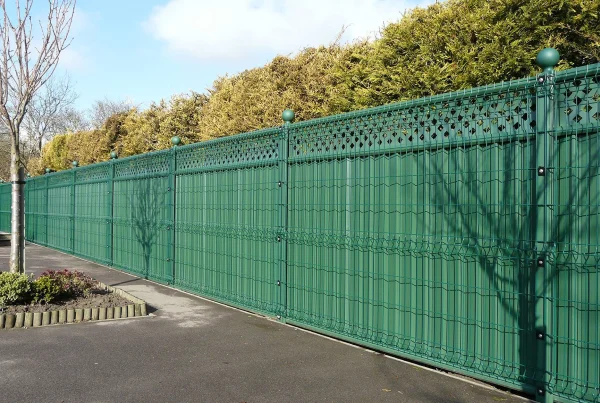
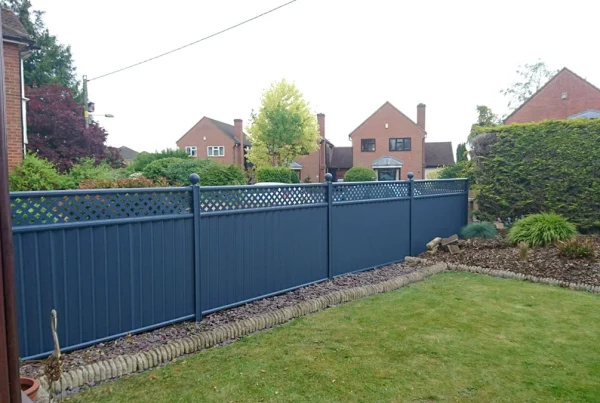
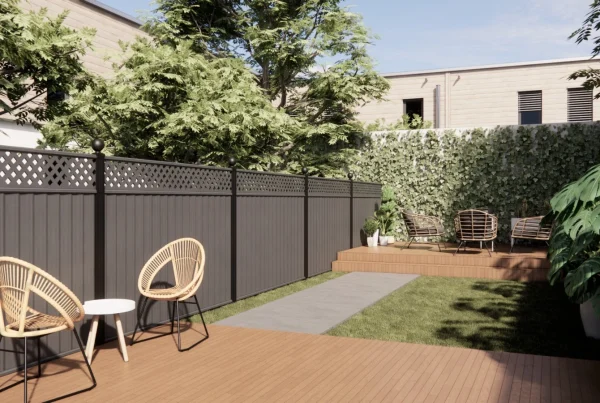
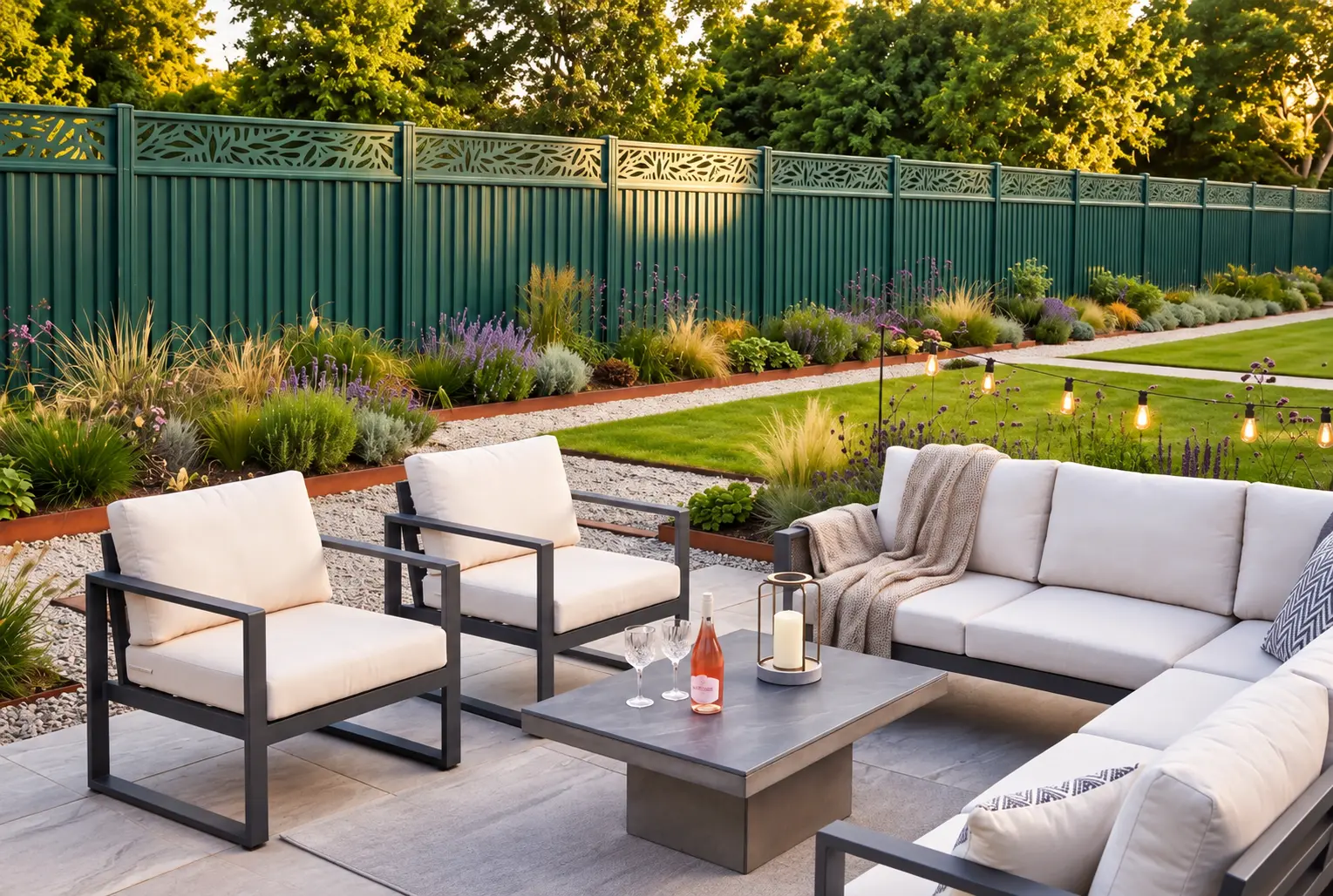
Metal garden fencing is an attractive type of fence for home owners who would like to install a fence which lasts a long time. For instance, the ColourFence is made of Colorbond® steel and is maintenance free with a 25-year warranty covering issues such as warping, fading, cracking and peeling. Moreover, ColourFence provides various colours, shapes and designs for home owners.
When home owners look for metal fencing UK, it becomes much easier to choose among all options comparing warranties and maintenance.
Consider Planning Permission and Local Rules
Many traditional garden fences don’t need planning permission. Nevertheless, there may be some limitations depending on the size, position, and even property type. You should always be aware of the rules of the local council before you start your work. It is particularly important when your property is listed or located within the conservation area.
Also confirm boundary responsibilities before work begins. Clarifying the fence line can help prevent disputes and costly changes.
Plan for Fence Removal and Waste
Before installation, decide how the existing fence will be dismantled and removed. Old timber, metal posts, concrete and other materials may need different disposal arrangements. Depending on how much waste you have, you will need a collection service or skip.
There must be sufficient access for the disposal of the old fence and to bring new fencing materials into the garden. Move furniture and other obstacles where necessary.
Plan the Fence Installation
Decide on whether to construct the fence yourself or hire a fencing company to do the work for you. Determine the areas where the posts, panels, corners, and gates will be placed prior to installing the fence. The ground conditions, slopes and uneven areas play a crucial role in measurement and installation.
It is very important that the posts should be installed securely. ColourFence provides professional installation services and project management, while its local branches can help homeowners plan their fencing projects.
Choose the Best Time for Replacement
UK weather can influence fencing work, particularly when ground conditions become very wet. It is advisable to schedule the installation in a period that will have relatively dry weather since wet grounds will cause problems during installation. Wind and rains may also create obstacles during the installation.
If you plan your garden fence replacement before summer, winter or an event, it is better to take your time to do measurements, choose materials and schedule installation ahead of time.
The success of a garden fence replacement project lies with inspection, correct measurements, and selection of the right materials. Consider the height of the fence, gates, corners, access, ground conditions and local requirements before you construct the fence. Choosing a long-lasting fence will be worth the investment.
ColourFence is a UK fencing company offering maintenance free fences, professional installation and products designed for long-term performance. Its range includes modern fencing, gates and railings, with nationwide branches and a 25-year materials guarantee. If you are exploring fencing suppliers UK, you can also use the company’s free survey and quotation service to discuss your project.
If you are looking for how to replace a garden fence, then selecting the right supplier can simplify everything. Explore Colorfencing UK or contact the experts for advice on creating a garden boundary.