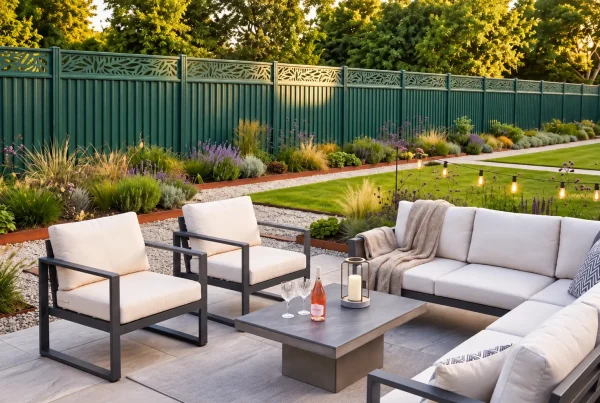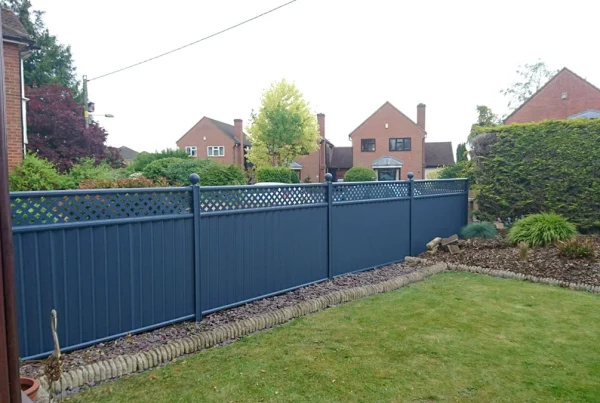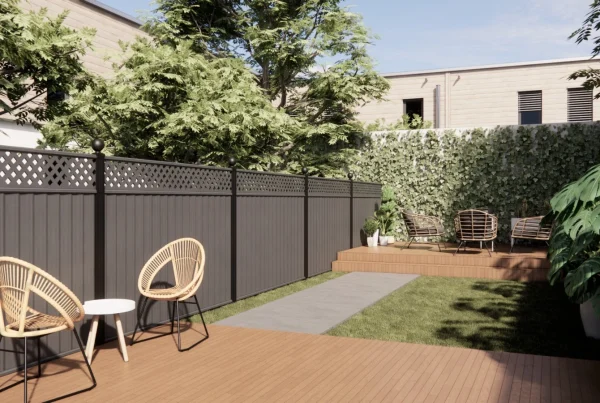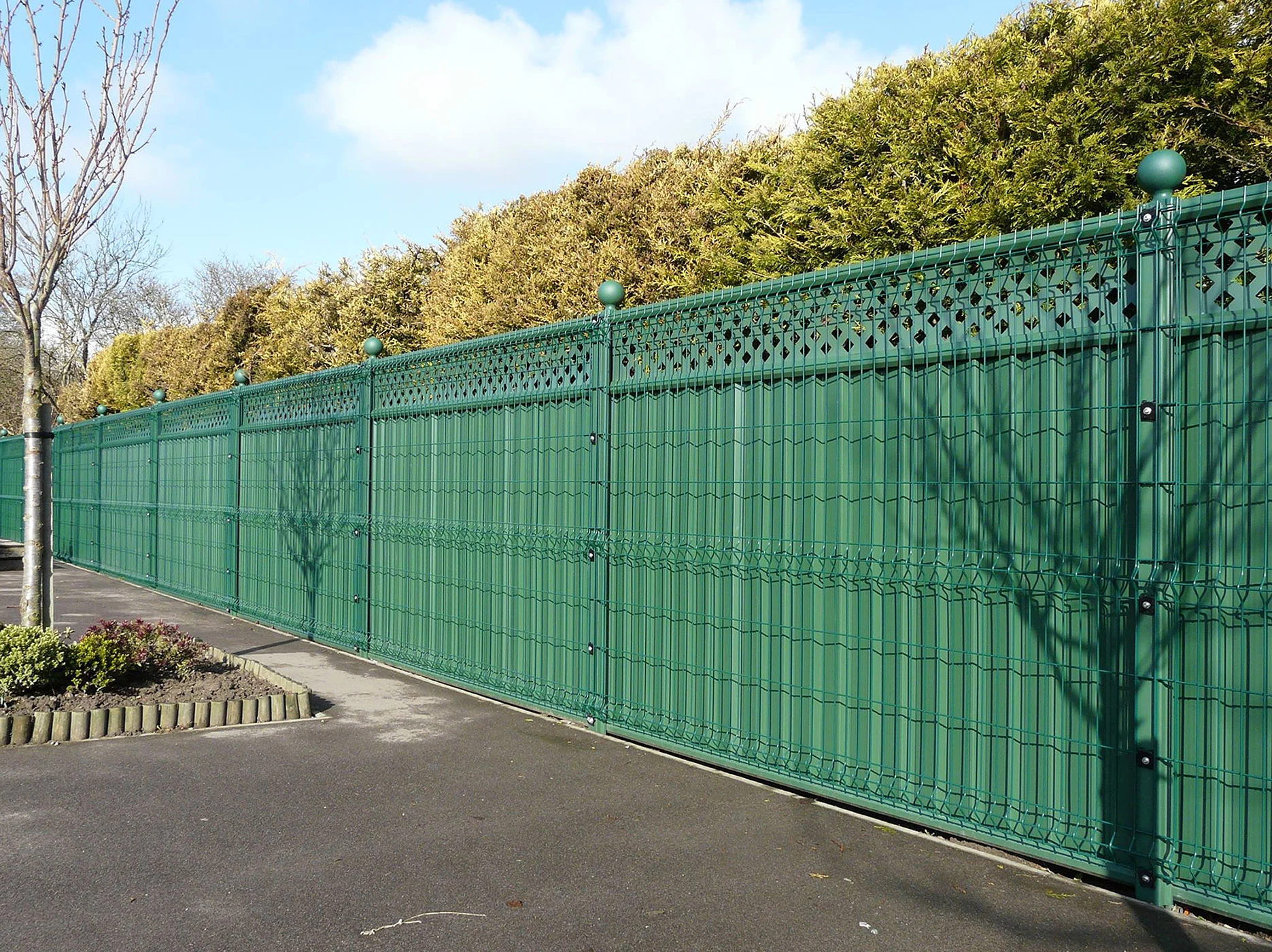
Your home probably has a fence for security, privacy and boundary marking. But does your garden have a fence? Garden fencing helps keep out animals, provides support for plants and enhances the appearance of the landscape. With the help of the best fencing products, you can create an attractive boundary for your garden without requiring professional assistance.
The blog will discuss how to install fencing for gardens in simple steps.
Plan and Measure the Fence Area
The first step in installing a garden fence is proper planning. You should measure the perimeter of the garden area to know the amount of fencing material that will be required. It is important to measure the dimensions of the garden using a measuring tape. You should then mark the position of the fence using wooden stakes and string. This helps in establishing where you will install the fence. Always ensure that you know where the boundaries of your property lie before beginning any form of fencing work. Using metal fencing UK solutions will lead to better results and a longer-lasting fence.
Mark the Fence Post Locations
A crucial step in how to install fence systems correctly is marking the locations for the fence posts. Make sure you choose the correct spacing for your fence posts depending on the type and size of the panels that you will install. To measure accurately where the posts should go, you may use a measuring tape and draw lines where the posts should be placed. Ensure that your measurements are correct.
Dig the Post Holes
With the post locations marked, you can begin digging the fence post holes. Regarding metal garden fencing, each hole needs to be dug to ensure that the fence gets adequate support and stability. Moreover, the holes should be wider than the fence poles to allow space for adding concrete or tightly packed soil at the base. During digging, soil, stones, roots, or any other things that might interfere with the installation should be removed.
Install and Secure the Fence Posts
After making the post holes, ensure that each post from fencing suppliers UK is inserted into its rightful place. Check if the fence post has been put in the right position by ensuring that it is in the vertical position with a spirit level. Fill up the holes in which you placed the fence post with concrete. The post should remain straight when pouring concrete. This should be done until all the posts are installed, after which you should wait for the concrete to set.
Attach the Fence Panels
After securing the fence posts and allowing the concrete to cure, installing the fence panels may follow. You should start from the end of the fence line and place the panels between two fence posts. The panels should be fixed with screws, brackets and fasteners used for that purpose. The fence panels should be horizontal with the fence line. Attaching the panels correctly during garden fence installation can prevent any future issues.
Check Stability and Make Adjustments
The final step in learning how to install fencing for garden is carrying out a thorough inspection of the entire fence. This involves checking the panels and posts to see that they are well set and do not appear to be moving. Make sure any loose screws, brackets, and fittings are tightened up after the process of installing the fence. Using a spirit level would be helpful when it comes to ensuring that the fence is straight. Make sure that everything is fine before the fence is put into regular use.
Protect and Maintain Your Fence
Understanding how to install fence is only part of the job. Maintenance is very crucial when it comes to ensuring that the fence maintains its beauty and usefulness over the coming years. Use paint, stains, and sealing products according to the type of fencing material to ensure that it does not wear out as a result of exposure to sun or moisture. Cleaning the fence regularly is very essential in order to make sure that it stays clean and free from any kind of mould or dirt. Your fence needs to be examined regularly to identify any loose parts and damages.
Common Mistakes to Avoid
When learning how to install a garden fence, avoid common mistakes that can affect the fence’s strength and appearance. A common mistake is measuring incorrectly and uneven post spacing. Not checking your posts are levelled is likely to produce a crooked fence. Not given enough curing time for concrete will also create weak fences. Finally, using an incorrect material for the garden environment could increase maintenance needs in the future.
Benefits of Installing a Garden Fence Yourself
Knowing how to install a garden fence offers several advantages. Firstly, installing a fence can be done at a reduced cost since it removes labour cost. The completion of the job gives you satisfaction and enables you to personalise a fence according to your requirements. In addition, the fence installed will not only make the garden look good but will also provide added protection to plants.
Garden fence installation involves careful planning, proper measurement and installation of posts, and maintenance. Taking adequate time for these activities will prove beneficial as the fencing will be strong and attractive. All that is required is a lot of care and patience on behalf of the homeowners to build a great fence.
ColourFence is a steel fencing company UK providing durable steel fencing, gates, railings, and sheds that can withstand difficult climatic conditions without much maintenance. Our products are designed to withstand harsh weather conditions while requiring minimal upkeep.
Ready to upgrade your outdoor space with premium steel fencing? Contact ColourFence today to explore our range of premium fencing products and request a free, no-obligation quote.